Queue Management System in Pakistan for Restaurants 2026
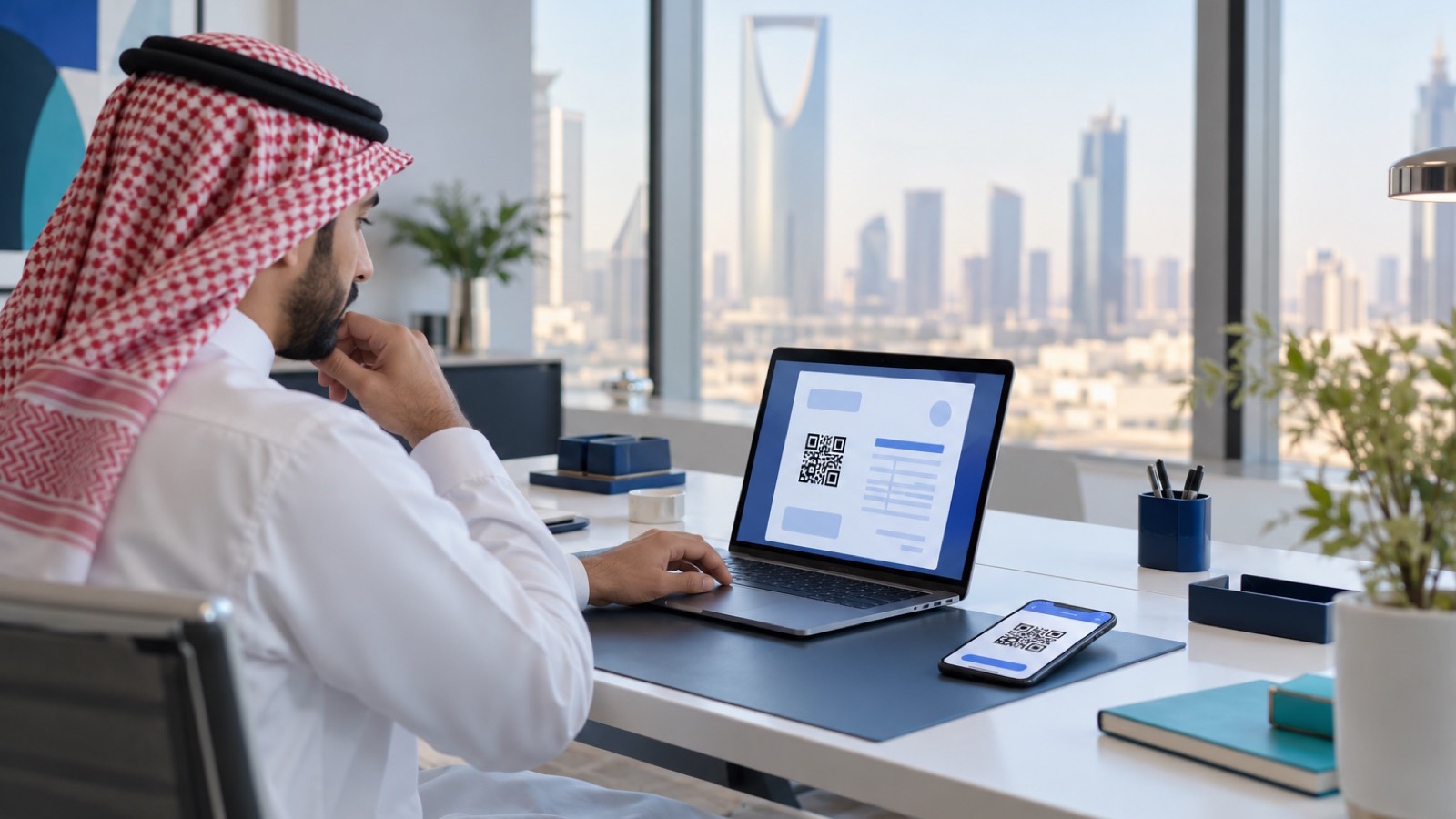
For quick-service restaurants chasing faster tables and shorter lanes, a queue management system in Pakistan is quietly becoming the difference between a five-star rush and a lost customer in 2026. I have timed order-to-collect flows in busy Islamabad outlets, and the pattern is clear: the brands that measure their queue beat the brands that guess. This guide shows how counter queuing and drive-thru headset technology work together to lift throughput without adding staff.
Every second a car idles at a speaker post, or a guest hovers at a crowded counter, is revenue slipping away. Let us break down how to reclaim it.
Why Restaurants Need a Queue Management System in Pakistan
Food service lives and dies on speed at peak. A lunch rush that stalls for ninety seconds per order stacks up into a visible line that turns walk-ins away. A queue management system fixes this by ordering the flow, showing live status, and revealing exactly where the delay sits.
The data changes behaviour. When a manager sees that the drink station, not the grill, is the bottleneck, they redeploy one team member and reclaim minutes. That is the kind of insight paper tickets never provide.
Where Time Actually Leaks
- Order taking when menus are unclear or systems lag.
- Payment when card terminals are slow or cash-heavy.
- Preparation when stations are unbalanced at peak.
- Handoff when finished orders sit uncalled.
- Drive-thru comms when headsets crackle or drop.
Counter Queuing Versus Drive-Thru Flow
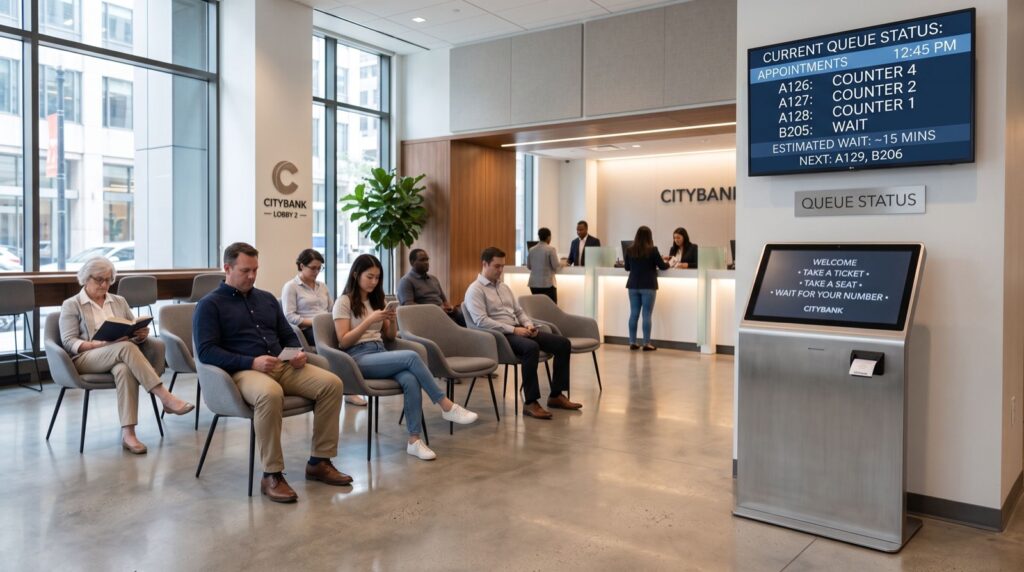
Indoor and lane traffic behave differently, and the best outlets manage both on one dashboard. The table below compares the two so you can see where each technology earns its keep.
| Aspect | Counter Queue | Drive-Thru Lane |
|---|---|---|
| Main metric | Wait-to-serve time | Order-to-window time |
| Key hardware | Kiosk, signage, dashboard | Headset system, timers, sensors |
| Peak risk | Crowded lobby | Lane spillover onto road |
| Quick win | Smart counter routing | Clear audio + speed timers |
Both sides feed the same goal: move more orders per hour while keeping quality high. A unified queue management system in pakistan ties these two flows together so managers stop watching two clocks.
How Does the Drive-Thru Side Work?
Drive-thru performance rests on two pillars: clear communication and precise timing. Crisp headset audio between the order-taker and the customer removes the repeats that eat seconds, while lane timers show exactly how long each car waits at every point.
A professional-grade HME drive thru in pakistan headset and timer setup gives crews the audio clarity and second-by-second data they need to hit aggressive service targets. Pair it with counter queuing and the whole outlet runs on one set of numbers.
A Throughput Tip From the Floor
Here is a practical trick that surprised me: position a dedicated order-confirmation screen at the drive-thru so guests verify their order before the window. It sounds minor, but it slashed correction time at the payment point and lifted lane speed noticeably. Small friction removed at the right spot beats a big, expensive overhaul.
Building the Rollout Plan
Technology alone will not fix a slow outlet; the process around it matters just as much. Follow a sequence so each change is measured against the last.
- Baseline your current peak-hour speed for one week.
- Install counter queuing and capture the new numbers.
- Add or upgrade the drive-thru headset and timer system.
- Rebalance stations using the dashboard data.
- Review weekly and lock in the winning configuration.
Training Crews to Hit Speed Targets
Hardware sets the ceiling, but crews decide whether you reach it. The fastest outlets I have measured drill their teams on the handoff, not just the cook time. When a finished order sits uncalled for even fifteen seconds, that delay multiplies across every guest behind it.
Use the dashboard as a coaching tool, not a punishment. Show the crew their lane times each shift, celebrate improvements, and let them suggest fixes. Teams that own the numbers protect them, and the culture shift often beats any single piece of equipment.
Coaching Habits That Work
- Post yesterday’s peak-hour speed where the crew can see it.
- Assign a clear runner role during the lunch and dinner rush.
- Review one bottleneck per week rather than everything at once.
- Reward the shift that trims the most seconds fairly.
Weather, Menus, and Other Hidden Variables
Throughput is not only about speed drills. Rain lengthens drive-thru waits as windows stay up, while a confusing new menu slows order taking for weeks. Smart managers tag these variables in the dashboard so a slow day is explained by rain, not blamed on the crew.
Menu design deserves special attention. A cluttered board makes guests hesitate at the speaker post, and that hesitation is pure lost time. Simplifying the top-selling items into a clear, fast path often lifts lane speed more than any hardware upgrade, and it costs nothing but thought.
Standards and Reliable Data
Speed-of-service claims should rest on consistent measurement, not opinion. Guidance such as ISO 10002 on handling customer satisfaction and complaints gives food brands a recognised framework for benchmarking service quality that stands up to scrutiny. Aligning your dashboards to it makes performance reviews far cleaner.
When you shortlist vendors, favour the trusted professionals who explain their timing methodology openly rather than quoting vague averages.
Frequently Asked Questions
Can a queue management system in Pakistan handle both counter and drive-thru?
Yes. Leading platforms in 2026 unify indoor queuing and drive-thru timing on one dashboard, so managers see the full outlet on a single screen instead of tracking two separate systems.
Do drive-thru headsets really improve speed?
They do. Clear audio removes the repeated questions that waste seconds per car, and built-in timers pinpoint exactly where the lane slows down, letting crews fix the real bottleneck.
How long before a restaurant sees results?
Most outlets see measurable gains within the first month once they baseline, install queuing, and rebalance stations using the new data. The biggest wins come from acting on the analytics, not just owning them.
Is the system hard for staff to learn?
No. Kiosks and dashboards are designed for fast onboarding, and headset systems mirror familiar hardware. A short training session usually covers everything a crew needs.
Conclusion
A smart queue management system in Pakistan turns guesswork into throughput, unifying the counter and the drive-thru lane so restaurants serve more guests without adding cost in 2026. Baseline your speed, fix the real bottleneck, and let the data guide every change. Ready to speed up your outlet? Request a demo from an experienced integrator today.