How to Buy Solar Panels in Pakistan: 2026 Buyer’s Guide
Learning how to buy solar panels in Pakistan the smart way can save you hundreds of thousands of rupees and years of frustration. The market is flooded with options — genuine Tier-1 modules sit beside relabelled seconds and outright counterfeits. This 2026 buyer’s guide cuts through the noise, explaining exactly what to inspect in panels, inverters, and batteries before you spend a single rupee.
From Sialkot workshops to Karachi rooftops, the fundamentals are the same: buy quality components, verify documentation, and choose an installer who will still answer the phone in year ten.
What to Look For When You Buy Solar Panels in Pakistan
A solar panel is a 25-year purchase, so judge it like infrastructure, not a gadget. Four factors separate a durable module from a disappointment.
- Cell technology: monocrystalline PERC or newer N-type for higher efficiency
- Tier ranking: bankable Tier-1 manufacturers with proven track records
- Temperature coefficient: lower is better for Pakistan’s heat
- Warranty: 25-year performance plus a solid product warranty
Pakistan’s regulator and energy bodies encourage verified equipment. The Alternative Energy Development Board maintains standards and guidance that reputable suppliers follow, which is a useful benchmark when comparing vendors.
When you are ready to buy solar panels in Pakistan, insist on original datasheets, serial numbers, and import documentation to confirm authenticity.
How can you spot fake or low-grade panels?
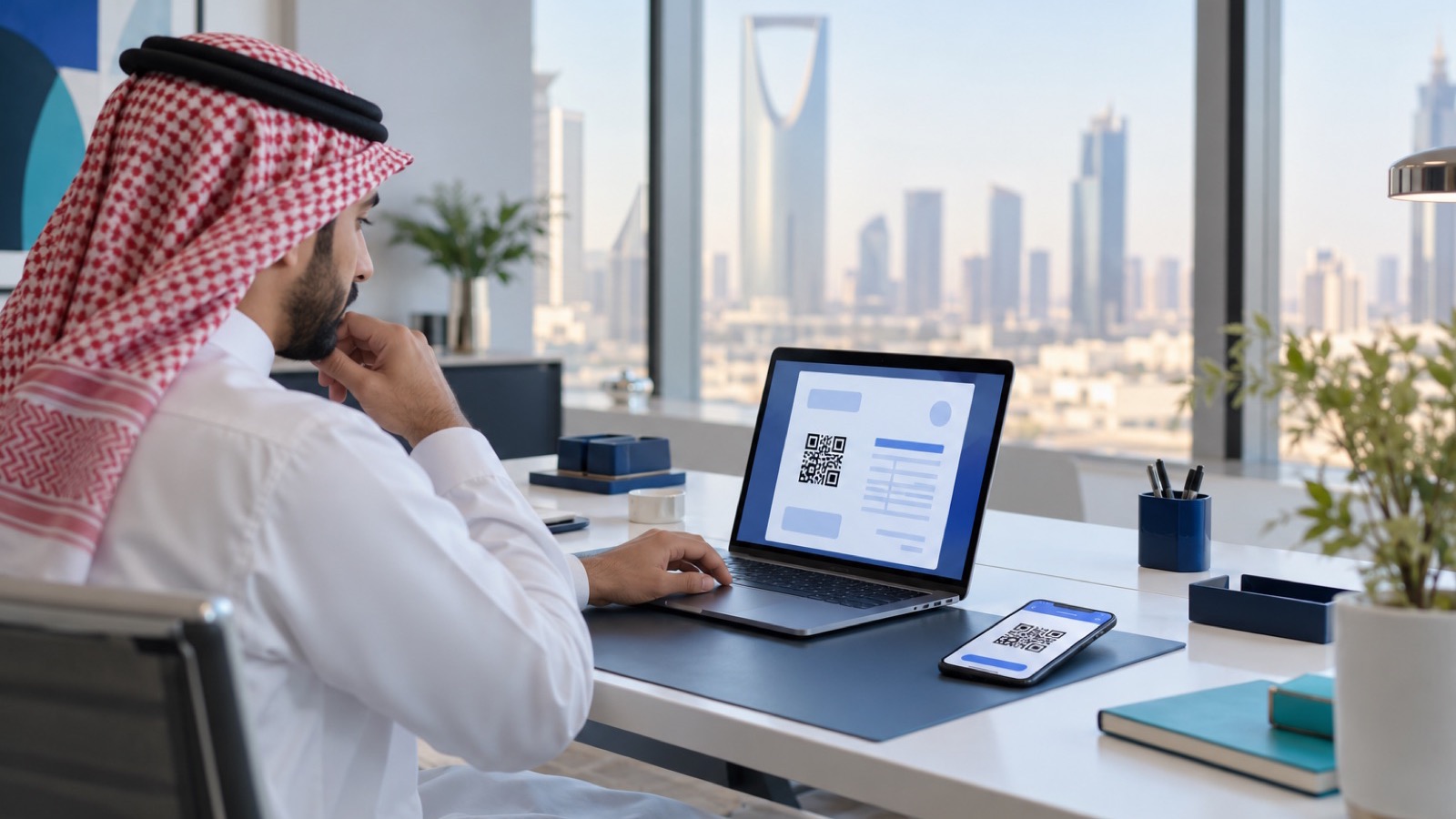
Counterfeits often arrive with blurred labels, missing serial numbers, or specifications that look too good for the price. Scan the QR code, cross-check the serial on the manufacturer’s portal, and be suspicious of deals that undercut the market dramatically.
Panels, Inverters, and Batteries Compared
Your system is only as strong as its weakest component. Balance your budget across all three rather than overspending on panels and skimping on the inverter.
| Component | What Matters Most | Typical Lifespan |
|---|---|---|
| Panels | Tier-1 brand, efficiency, warranty | 25–30 years |
| Inverter | Reliability, hybrid capability, service | 8–12 years |
| Battery | Chemistry, cycle life, depth of discharge | 6–15 years |
For batteries, lithium iron phosphate (LiFePO4) has largely replaced lead-acid thanks to longer cycle life and tolerance of Pakistan’s heat. It costs more upfront but wins over the system’s lifetime.
Match the inverter to your goals
If load-shedding backup matters, choose a hybrid inverter so you can add batteries now or later. For pure bill reduction with a stable grid, a quality string inverter paired with net metering is the economical route, regulated nationally by NEPRA.
Buying Locally in Sialkot and Beyond
Buying from a nearby, accountable supplier beats chasing the lowest online price every time. Local teams handle site surveys, installation, and warranty claims without disappearing. A dependable solar company in Sialkot can inspect your roof, size the array correctly, and stand behind the workmanship.
Before committing, vet the supplier as carefully as the hardware. Work only with trusted professionals who provide references, clear contracts, and responsive after-sales support.
- Confirm years in business and completed local projects.
- Ask for a written, itemised quotation.
- Verify warranty terms are backed by the actual manufacturer.
- Check that net-metering support is included.
Budgeting Your Purchase in 2026
Module prices have fallen sharply, making 2026 an excellent year to buy. Still, resist the temptation to minimise cost at the expense of quality — the cheapest system is rarely the cheapest over 25 years.
Plan your budget across three buckets: generation (panels), conversion (inverter), and storage (batteries, if needed). Allocate generously to the inverter, since it is the brain of the system and the component most likely to need replacement.
- Prioritise bankable brands with local service networks
- Keep documentation for warranty and resale value
- Plan for future expansion, such as EV charging
- Factor in mounting quality for wind and heat resistance
Understanding Warranties and Claims
A warranty is only as good as the company honouring it. Solar panels typically carry two separate warranties: a product warranty against defects and a performance warranty guaranteeing output over 25 years. Read both carefully before you buy.
The catch is that honouring a manufacturer warranty in Pakistan requires a local representative or importer who will actually process the claim. A global brand means little if no one in the country will replace a faulty module. Ask your supplier exactly how a claim would work in practice.
- Confirm the product warranty length and what it covers
- Check the performance warranty’s annual degradation limit
- Verify there is a local channel to process claims
- Keep all invoices, serials, and datasheets on file
What degradation rate should you accept?
Quality panels degrade slowly, typically guaranteeing around 85–90% of rated output even after 25 years. A lower annual degradation rate means more energy over the system’s life, so this specification is worth comparing closely between brands.
Efficiency Trends to Know in 2026
Panel technology keeps advancing. N-type and TOPCon cells now deliver higher efficiency and better performance in heat and low light than older P-type modules, which matters in Pakistan’s climate. Bifacial panels, which capture reflected light from both sides, are also increasingly common on ground mounts and reflective rooftops.
Higher efficiency means more power from the same roof area — valuable when space is tight. While the newest technology carries a small premium, the extra yield often justifies it over the system’s long life.
Installation and Maintenance Essentials
Even premium panels underperform with sloppy installation. Proper tilt, orientation, cable management, and earthing protect both yield and safety. After commissioning, maintenance is light but not optional.
Rinse panels periodically to clear dust, inspect mounting hardware seasonally, and monitor inverter output for unexpected drops. A quick annual professional check keeps everything within warranty.
Frequently Asked Questions
Is 2026 a good time to buy solar panels in Pakistan?
Yes. Module prices are near historic lows while grid tariffs keep rising, so the payback period is shorter than ever. Quality hybrid systems now deliver both savings and outage backup.
Which panel brand should I buy?
Choose any bankable Tier-1 manufacturer with a strong local warranty presence. The specific brand matters less than verified authenticity and reliable after-sales support in Pakistan.
Do I need batteries to save money?
No. Net metering lets you save without batteries by exporting surplus to the grid. Add batteries only if you want backup during load-shedding.
How do I avoid buying fake panels?
Buy from established suppliers, demand original serial numbers and datasheets, and verify them on the manufacturer’s portal. Avoid prices that seem unrealistically low.
Conclusion
When you set out to buy solar panels in Pakistan in 2026, let quality, authenticity, and accountable local support guide every decision. Compare components intelligently, verify documentation, and partner with an installer who treats your system as a 25-year relationship. Ready to invest with confidence? Explore verified products and request a tailored quote today, and start generating your own clean, affordable power.