
Restaurant Storage Solutions: How Saudi Kitchens Free Up Space and Cut Waste in 2026
Restaurant storage solutions decide whether a kitchen runs smoothly or drowns in clutter. Every square metre of a busy Riyadh or Jeddah kitchen earns its keep, and the moment stock outgrows the walk-in, chaos follows. Chefs lose prep time, ingredients spoil, and inventory counts stop matching reality.
The good news is that off-site and specialised storage has matured fast. In 2026, food operators no longer need to cram everything into a back room. Instead, they can split inventory by temperature, turnover, and risk, keeping the kitchen lean and the cold chain intact.
Why Restaurant Storage Solutions Matter More Than Ever
Food costs sit near the top of any restaurant’s expenses. When storage fails, waste climbs. A single mislabelled crate of chicken left at the wrong temperature can cost a service and, worse, a health inspection.
Space is the other pressure. Rents in prime Saudi districts keep rising, so dining floor and kitchen prep zones must stay productive. Bulk stock, seasonal equipment, and event supplies simply do not belong under a prep bench.
The Real Cost of Poor Storage
- Spoilage: Improper temperatures ruin dairy, seafood, and produce within hours.
- Labour drain: Staff waste time digging through disorganised shelves.
- Cross-contamination: Raw and ready-to-eat items stored together invite trouble.
- Dead capital: Overstock ties up cash that could fund the menu.
Matching the Storage Type to the Ingredient
Not every ingredient needs the same environment. Smart operators map their inventory against four broad zones, then store each item where it stays freshest for longest.
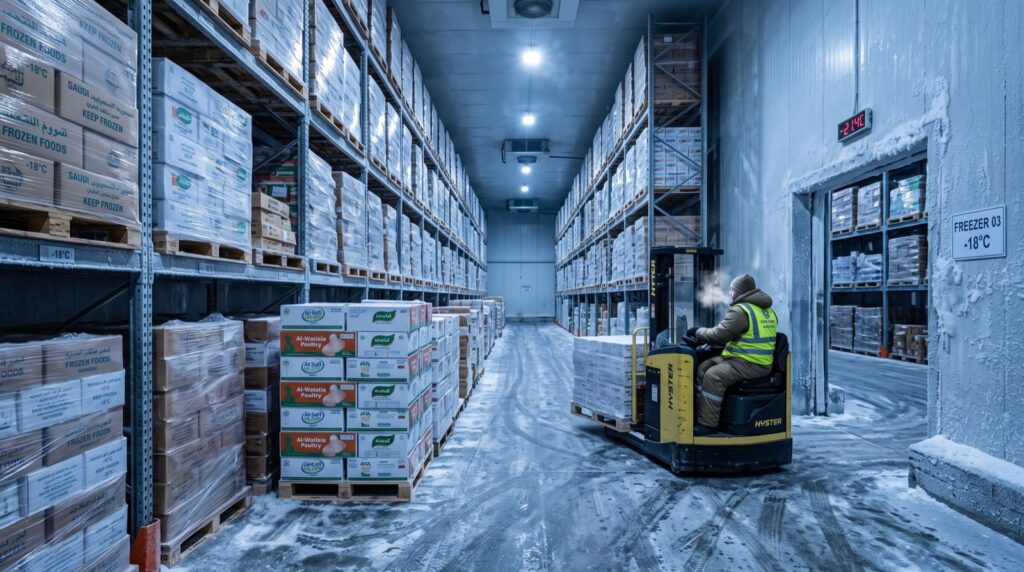
For temperature-sensitive stock, purpose-built cold facilities beat a crowded on-site fridge. Providers offering dedicated Storage for Restaurants can hold overflow inventory at precise temperatures, letting the kitchen keep only what it needs for the day’s service.
Temperature Zones at a Glance
| Storage Type | Typical Range | Best For | Turnover |
|---|---|---|---|
| Ambient / Dry | 15–25°C | Rice, flour, canned goods, oils | Slow to medium |
| Chilled | 0–5°C | Dairy, fresh produce, prepped items | Fast |
| Frozen | -18°C or lower | Meat, seafood, ice cream | Medium |
| Climate-controlled | 18–22°C, humidity managed | Chocolate, wine substitutes, dry spices | Slow |
Operators in the Eastern Province often lean on Chilled Storage in Dammam to buffer their fresh supply, especially during Ramadan and wedding-season demand spikes when volumes double overnight.
Building a Storage Routine That Sticks
Great storage is a habit, not a one-time fix. The kitchens that stay organised follow a simple, repeatable system that every shift respects.
A Practical Five-Step Setup
- Audit your inventory. List every SKU and note its ideal temperature and shelf life.
- Zone your space. Assign clear areas for dry, chilled, and frozen goods, then label them.
- Apply FIFO. First in, first out keeps older stock moving before it expires.
- Offload overflow. Send bulk or slow-moving stock to dedicated off-site storage.
- Review weekly. Count, reconcile, and adjust par levels every week.
One head chef I worked with in Riyadh cut monthly waste by nearly a fifth simply by moving frozen bulk proteins off-site and keeping only two days of stock in the line freezer. The kitchen felt twice as big overnight.
Food Safety You Cannot Skip
Saudi Arabia’s food safety rules are strict, and rightly so. The Saudi Food and Drug Authority publishes detailed guidance on safe handling and temperature control. Review the official standards from the Saudi Food and Drug Authority food division before finalising any storage plan, and align your logs to them.
Seasonal Demand and the Ramadan Factor
Saudi restaurants live through predictable demand waves, and none is bigger than Ramadan. Iftar and suhoor volumes can double or triple overnight, and kitchens that plan storage around a normal week suddenly find their walk-ins overflowing.
Smart operators build buffer capacity before the season, not during it. They pre-book overflow storage weeks in advance, lock in delivery slots, and stage bulk proteins and dry goods off-site so the on-site kitchen stays free for daily prep.
Planning Ahead for Peak Weeks
- Forecast volume: Use last year’s numbers to estimate the spike, then add a safety margin.
- Stage in tiers: Keep daily stock on-site, weekly stock chilled off-site, and bulk reserves frozen.
- Confirm retrieval windows: Make sure your partner can deliver during your busiest hours.
- Label by service: Group boxes by iftar and suhoor menus so pulls stay fast.
A catering operation I advised in Jeddah reserved a block of frozen and chilled space a full month before Ramadan. When orders surged, their kitchen never stalled, while competitors scrambled for last-minute cold space at premium rates. Preparation, not panic, kept them profitable.
Menu Engineering Meets Storage Strategy
Storage and menu design should talk to each other. When a chef knows exactly what can be stored well and retrieved quickly, the menu itself becomes more resilient. Dishes built around freezer-stable and long-shelf-life ingredients weather supply hiccups far better than those depending on daily-fresh-only items.
This does not mean sacrificing quality. It means being deliberate. Pair a few fresh, high-turnover signature dishes with a backbone of well-stored staples, and you protect both flavour and continuity even when a delivery runs late.
How Do You Choose the Right Storage Partner?
Picking a storage provider is a bit like hiring a sous-chef: reliability matters more than flash. Look for verified temperature monitoring, clean facilities, flexible contracts, and fast retrieval when a rush hits.
Ask for references, tour the site, and confirm how quickly you can access stock during peak hours. Partnering with quality service providers protects both your margins and your reputation. A missed delivery window during Thursday dinner service is a lesson no operator wants to learn twice.
Frequently Asked Questions
How much off-site storage does a mid-size restaurant need?
Most mid-size Saudi restaurants offload between three and eight cubic metres of overflow stock, mainly frozen proteins and dry bulk. The exact figure depends on menu size and delivery frequency, so start small and scale as your counts stabilise.
Can off-site storage keep my cold chain compliant?
Yes, when the facility runs continuous temperature monitoring and logs data you can audit. Reputable providers give you access to those records, which supports SFDA compliance and simplifies inspections.
Is climate-controlled storage worth it for a small kitchen?
For sensitive items like chocolate, fine spices, and specialty flours, absolutely. Humidity swings ruin these ingredients faster than heat alone, and a controlled environment pays for itself in reduced spoilage.
How quickly can I retrieve stock during a busy service?
Good partners offer same-day or scheduled retrieval windows. Confirm the cut-off times before you sign, and keep a two-day buffer of critical items on-site as insurance.
Final Thoughts
Smart restaurant storage solutions turn a cramped, wasteful kitchen into a lean operation that protects both food and profit. Map your inventory to the right temperature zones, build a routine every shift follows, and lean on dedicated off-site partners for overflow and cold-chain stock. Do that in 2026, and your kitchen will run cooler, cleaner, and far more profitably. Ready to reclaim your space? Audit your inventory this week and take the first step.